Best Practices for Large Format Printing in Construction Plans
Large format printing refers to the capability of producing prints that exceed the standard size of typical office printers. This includes blueprints, CAD drawings, and other technical documents crucial for construction projects.
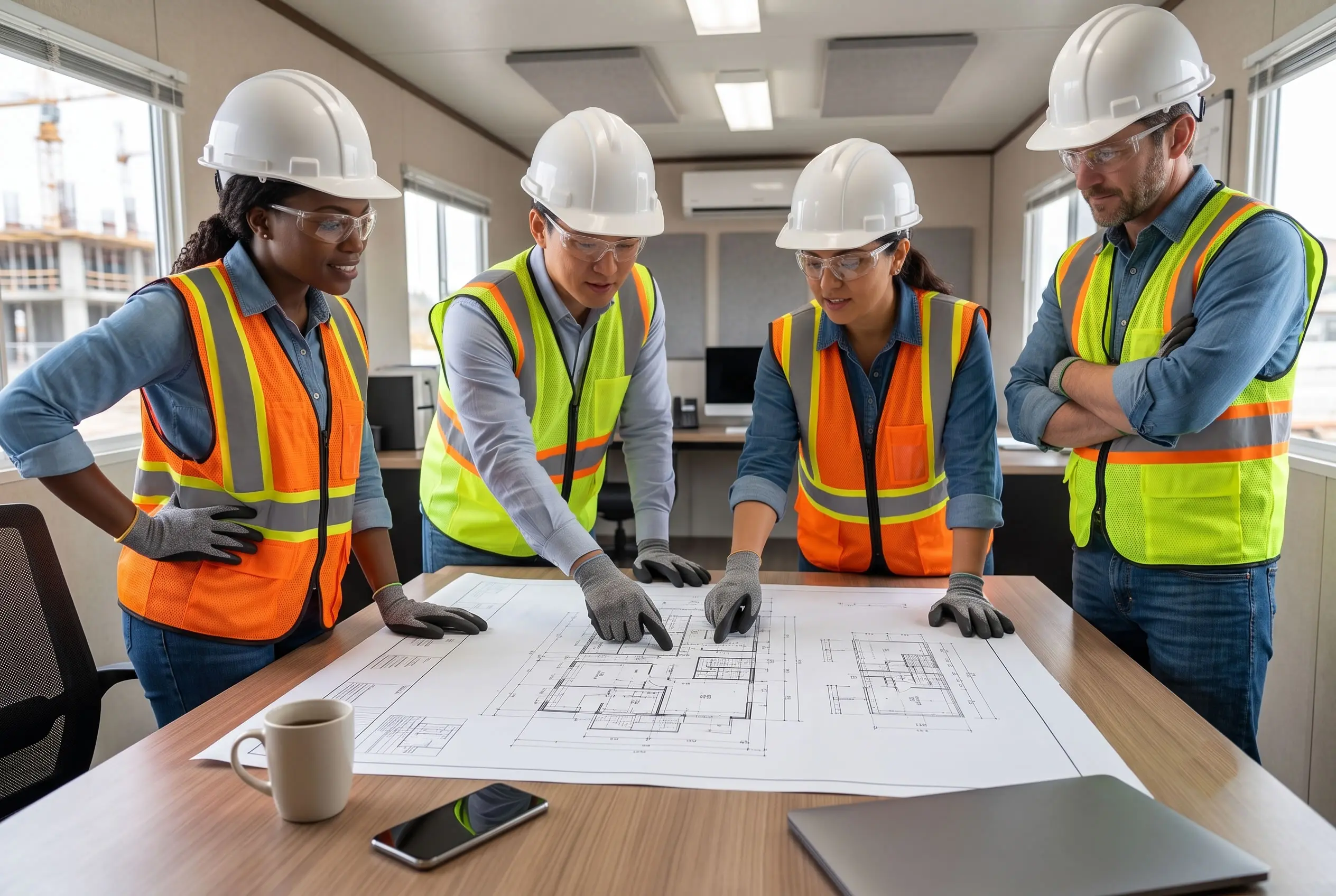
In the fast-paced world of construction, accurate and timely large format printing is essential for keeping projects on track. Construction teams rely heavily on precise documentation to coordinate efforts, make informed decisions, and minimize delays. Knowing best practices for printing blueprints helps workers stay on track and finish projects faster.
Understanding Large Format Printing
This refers to the capability of producing prints that exceed the standard size of typical office printers. This includes blueprints, CAD drawings, and other technical documents crucial for construction projects. The quality of these prints can directly impact a project's execution, as they serve as the primary reference points for contractors, architects, and engineers. High-quality prints ensure that everyone involved in the project has access to the most accurate information, reducing the risk of errors and misunderstandings. In the construction industry, having the right tools for large-scale printing is crucial. One important aspect is the choice of the materials. Most professionals prefer stock and bond paper, which offer durability and clarity. Understanding these materials can impact the outcome of a project.
As construction management workflows become more sophisticated, the demand for precise blueprint printing continues to rise. Modern design methodologies, including Building Information Modeling (BIM) and complex Revit drawings, require strict adherence to scale accuracy and clear plan set organization. When handling intricate layouts for modular construction and prefabrication, even a minor printing error can disrupt the documentation reality and cause quiet failures on site. This is where standard big-box printing alternatives often fall short, failing to handle professional revision control and exact scaling. Recognizing printing as vital infrastructure allows experienced teams to partner with dedicated professional blueprint printing services like PrintMyDrawings.com, ensuring that traditional drawings seamlessly support project success.
Why Printed Architectural Drawings and Construction Plans Remain Essential
While digital CAD models and electronic blueprints improve collaboration and efficiency, traditional physical prints remain indispensable despite innovation in the construction industry. Below are key scenarios where printed architectural drawings are still the preferred choice:
Compliance and On-Site Reference
Construction teams need high-quality physical drawings to guide them on the job site. Physical prints are also vital when teams need to review projects for regulatory compliance.
Field Readability and Detail
Large physical plans are easy to read in the field. They give professionals a clear, comprehensive view of a structure's layout.
Teamwork and Inspections
Large architectural prints make it easier for teams to work together. They help keep everyone aligned during walkthroughs and structural inspections.
Best Practices for Construction Plan Printing
Following best practices can help ensure that the final product meets the necessary standards.
Here are some key considerations:
Use high-resolution files: Ensure that your CAD or BIM drawings and other technical documents are in high resolution to maintain clarity in printed formats.
Choose the right paper: Select durable, high-quality paper that can withstand handling on job sites.
Verify dimensions and scaling: Always double-check that the dimensions of the prints match the original files to avoid discrepancies.
Consider color accuracy: Use color profiles that reflect the actual colors used in the designs to ensure consistency.
Real-World Workflow Implications and Professional Guidance
Establish a standardized workflow for file submissions to your print service provider, whether you are choosing local or big-box services.
Utilize digital file formats e.g. PDFs that are compatible with print quality preservation.
Communicate clearly with your printing partner about project timelines and any specific requirements.
Regularly review and update your printing practices based on feedback from team members.
By implementing these guidelines, construction teams can enhance their efficiency and ensure that they are always equipped with the most accurate and reliable documentation. It's equally important to consider the technology as advanced printers not only offer better resolution but can also handle a variety of materials, improving project outcomes significantly.
PrintMyDrawings.com supports professionals with dependable large format printing services designed for real-world workflows. By choosing a reliable printing partner, construction teams can focus on what they do best—building and delivering successful projects.
Start Printing Today
Get professional printing with our easy online ordering system.
Available Templates
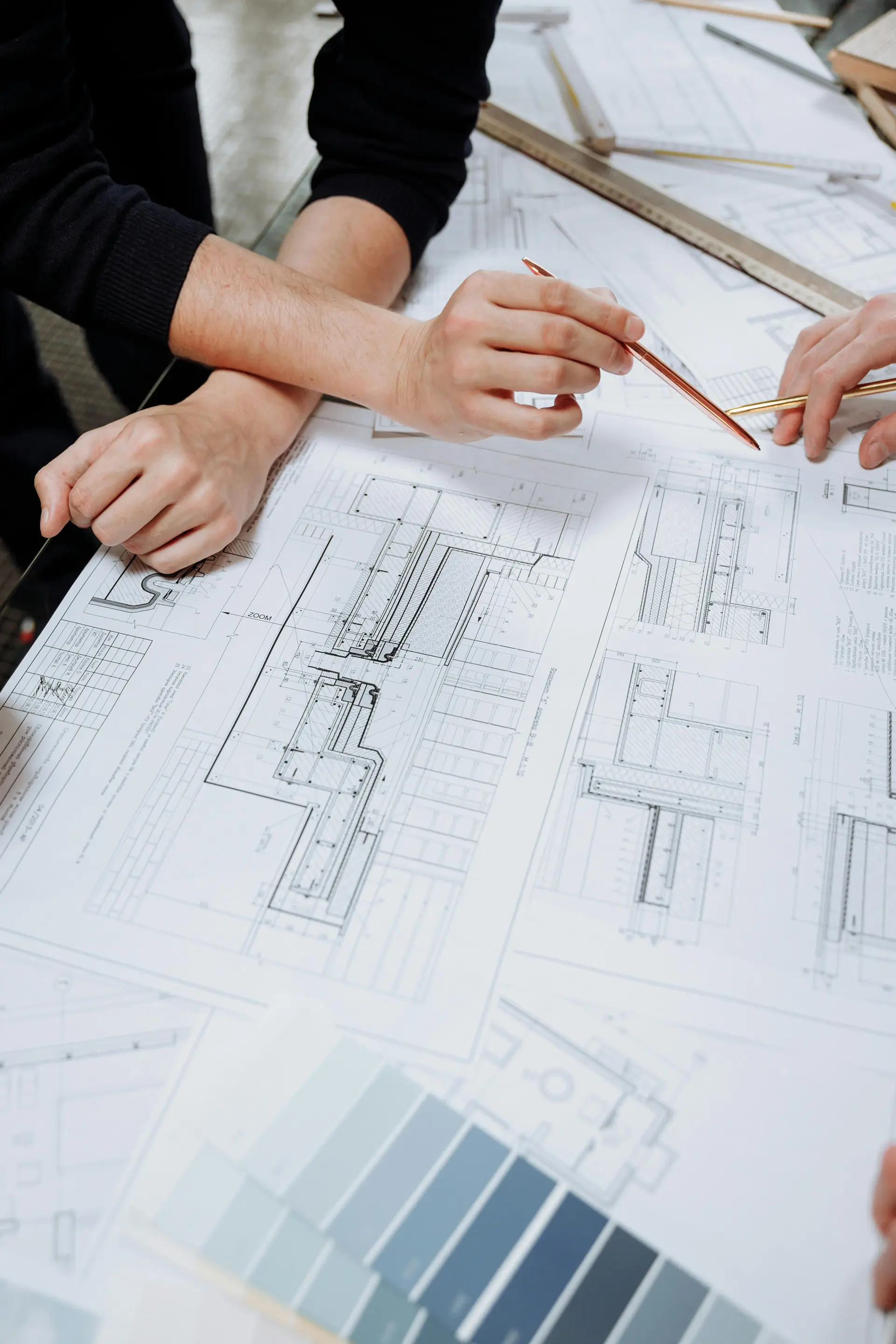
- Black Line Plan Printing Detailed building section drawings with structural elements.
- Color Line Plan Printing Large format plans suitable for presentations on standard bond crease-free paper.
Related Articles
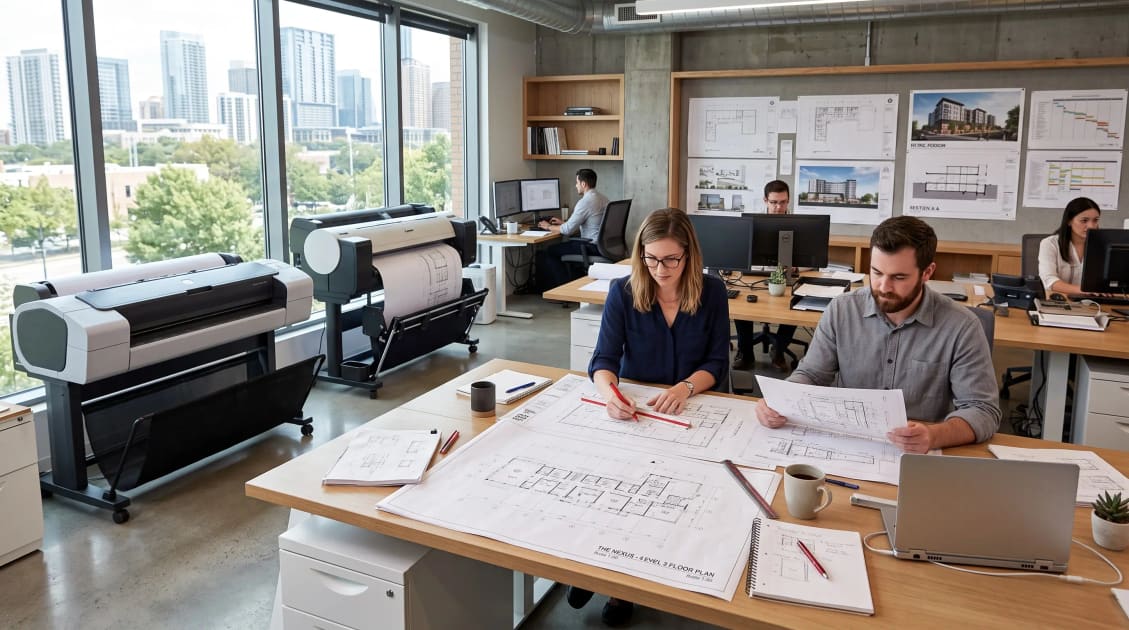
In-House Plotting vs. Outsourcing Large Format Printing
Explore the benefits of large format printing versus in-house plotters for AEC professionals, ensuring accurate documentation and reliable workflows.
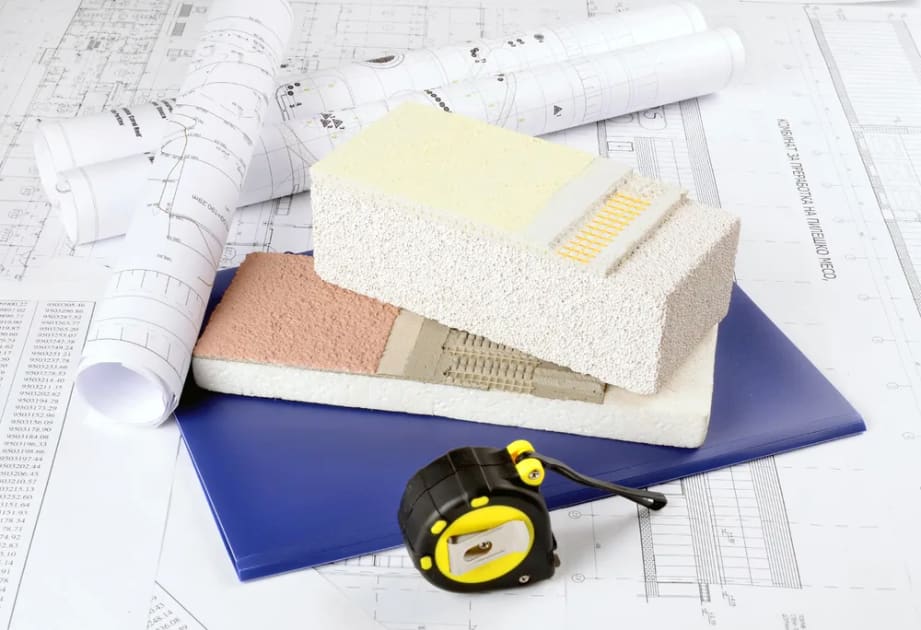
How to Present Your Architectural Plans and Construction Drawings
Presenting your designs is an essential part of any building project. Having conceptualized a great design or drawing, how well you communicate your work to...

How to Print Construction Blueprints Online
Learn how to print construction blueprints online efficiently. Discover the benefits and best practices for accurate blueprint printing.
How to Choose the Right Blueprint Printing Service for Contractors
Discover top blueprint printing services for contractors to ensure accurate construction plans and efficient workflows.