What Is BIM? How Building Information Modeling Impacts Construction Drawings
As workflows accelerate, drawings are updated frequently and shared widely. Any lack of clarity, scale inconsistency, or printing error can ripple across an entire project.
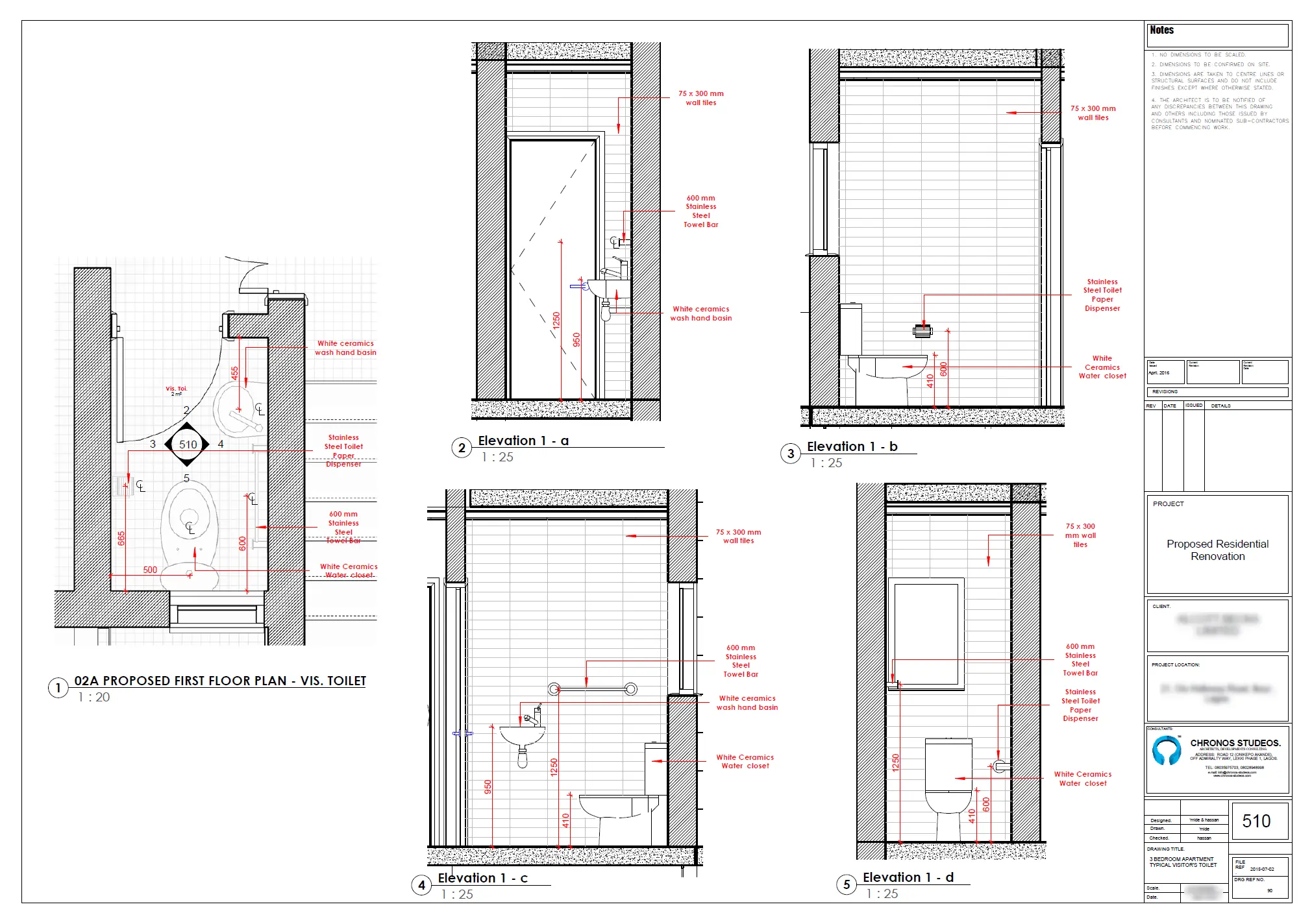
The construction industry is producing more drawings than ever. Digital workflows and faster timelines have changed how projects are documented. Today, construction drawings are both a major risk and a major opportunity for every project team. At the center of this shift is Building Information Modeling, or BIM.
Understanding what BIM is and how BIM construction drawings are created from BIM models is essential for anyone who reviews, issues, or builds from plans. Clear, accurate drawings keep jobs moving. Confusing or outdated drawings cause delays, rework, and safety risks on site.
What Is BIM, Really?
Building Information Modeling (BIM) is a process for creating and managing digital representations of the physical and functional characteristics of a building. Unlike traditional CAD drafting, BIM models contain intelligence. Walls know they are walls. Doors know their sizes, materials, and relationships to other elements.
This intelligence allows teams to generate plans, sections, elevations, and schedules from a single coordinated model. When changes are made, those changes ripple through the entire document set.
BIM is not just a 3D model—it is the engine behind modern construction documentation.
What Are BIM Construction Drawings?
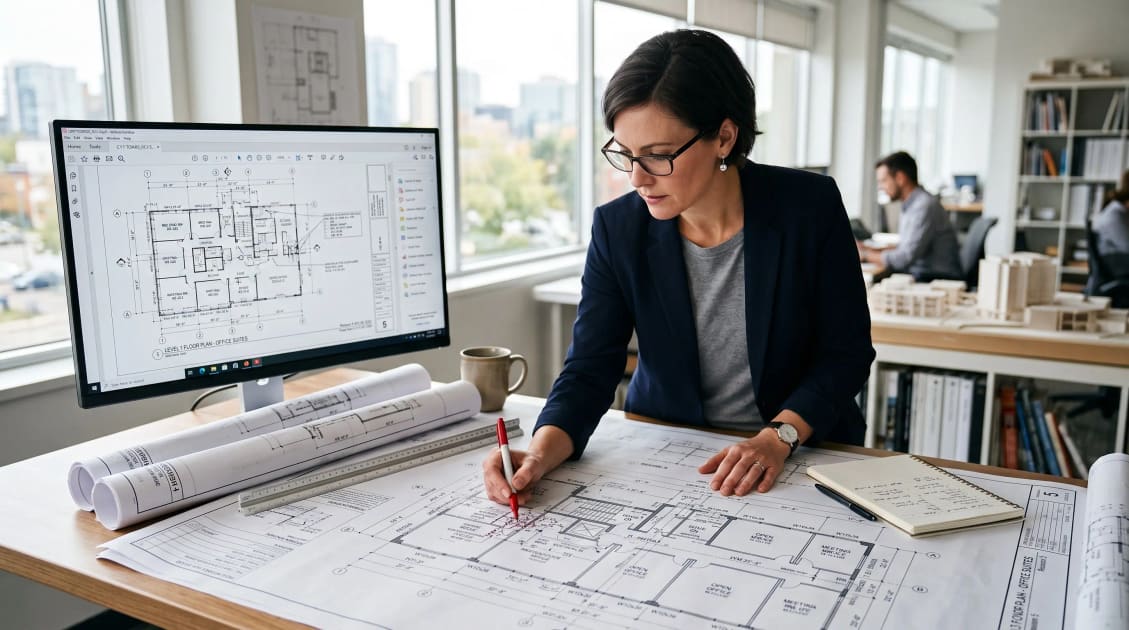
Construction drawings are 2D plans generated from a live 3D Building Information Model. Because every wall, door, and system in the BIM model carries data, your drawings are more coordinated—but also more frequently revised. That’s why having a reliable way to print, distribute, and update BIM construction drawings is critical to keeping the field on the same page.
These are 2D drawings created directly from a live BIM model. They include floor plans, sections, elevations, details, and schedules, all linked to the same source of truth. When the BIM model is updated, new drawings can be issued that reflect the latest design and coordination decisions.
Because BIM models evolve throughout design and construction, the resulting drawings are updated more often than traditional CAD drawings. This means more revisions, more issue dates, and more chances for confusion if the latest set is not clearly printed, labeled, and distributed to the field.
How BIM Changes the Nature of Construction Drawings
BIM does not eliminate drawings. It changes how they are created and how often they change.
Because drawings are generated from live models, they tend to be:
Updated more frequently
Issued in multiple revisions
Shared across more stakeholders
This makes accuracy and consistency more important than ever. A single drawing set may go through dozens of iterations before construction is complete.
Where BIM Drawings Create Real-World Challenges
While BIM improves coordination, it also introduces new risks if documentation is not handled carefully. Common issues include scale mismatches, clipped views, inconsistent sheet layouts, and unclear line weights when drawings move from screen to paper. On jobsites, these problems surface quickly. Field teams rely on printed drawings to make decisions under pressure. Any ambiguity slows work and increases the chance of errors.
Why Printed Drawings Still Matter in BIM Workflows
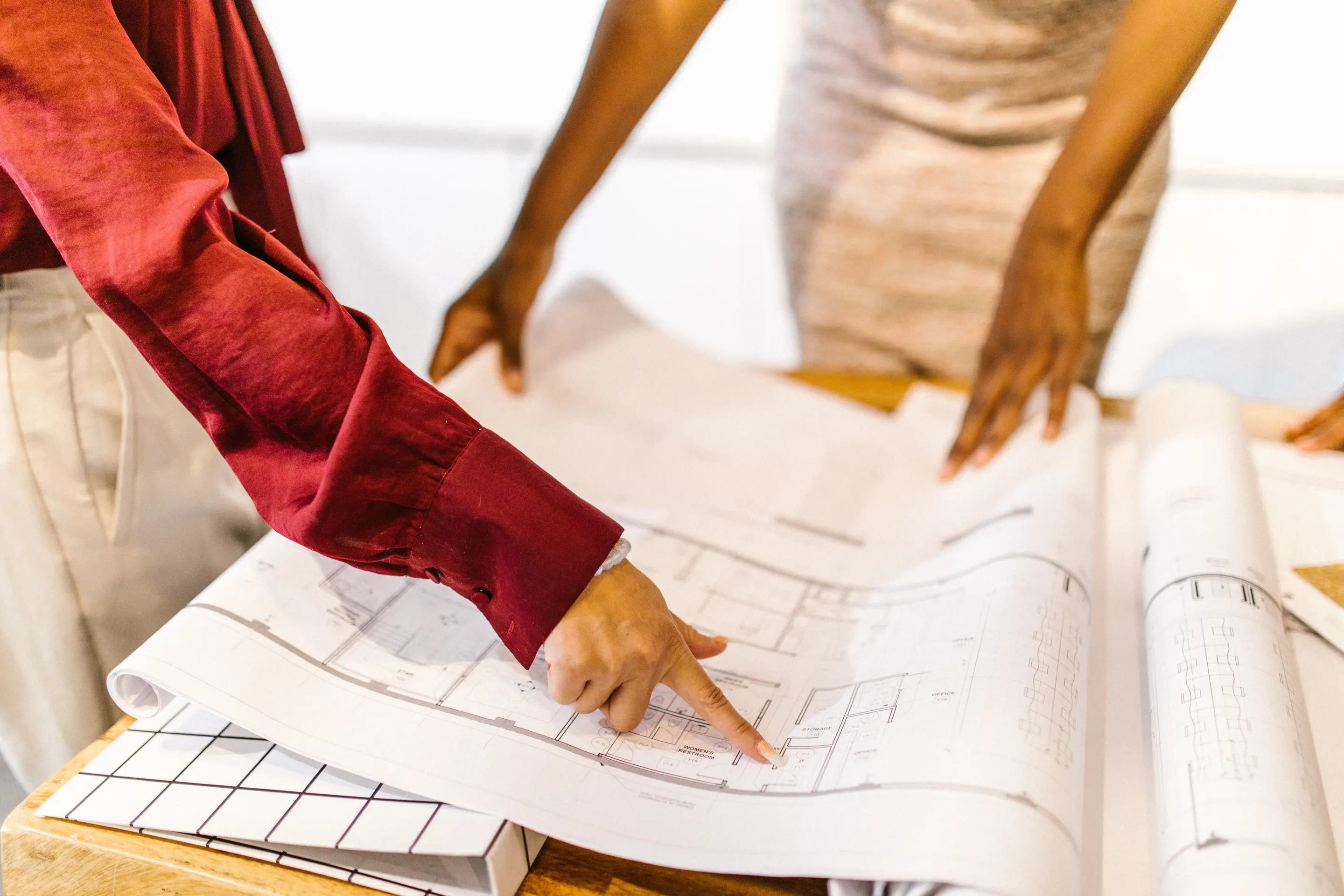
Despite cloud platforms and tablets, printed plans remain essential for permits, inspections, coordination meetings, and daily field use. Paper is fast, reliable, and accessible to everyone on site. Still wondering why construction printing is still relevant today?
The key difference today is expectation. BIM-based drawings must print exactly as intended, preserving scale, clarity, and hierarchy. Professional blueprint printing ensures that the intelligence built into the model is not lost during output.
Supporting BIM with Reliable Documentation Practices
Experienced teams treat printing as part of the BIM workflow, not an afterthought. They verify exports, check sheet setups, and work with printing partners who understand architectural and engineering drawings.
This approach reduces confusion, limits rework, and keeps fast-moving projects aligned.
Final Thoughts
BIM has transformed how drawings are created, but construction still depends on how those drawings are used. Clear, accurate, and reliable prints remain a critical link between digital models and physical buildings.
PrintMyDrawings.com helps design and construction teams translate BIM output into dependable, jobsite-ready drawings through professional blueprint and wide-format printing services.
Related Articles
In-House Plotting vs. Outsourcing Large Format Printing
Explore the benefits of large format printing versus in-house plotters for AEC professionals, ensuring accurate documentation and reliable workflows.
Black Line Printing vs Color Plan Printing: Which is the Best for Construction Projects?
Explore the differences between black line printing vs color plan printing. See how each one impacts construction plans and decision-making.
Preflighting PDFs for Large-Format Printing
Learn how to preflight PDFs for large-format printing to ensure accurate construction documents. Tips for fixing scale issues and common export traps.

How to Reduce Blueprint Printing Costs for Construction Teams
Discover effective strategies to reduce blueprint printing costs for architecture and construction teams without compromising quality.