How to Protect Printed Site Plans in Harsh Construction Site Conditions
Learn how to protect site plans in harsh construction conditions with effective blueprint printing and best practices for blueprint protection.
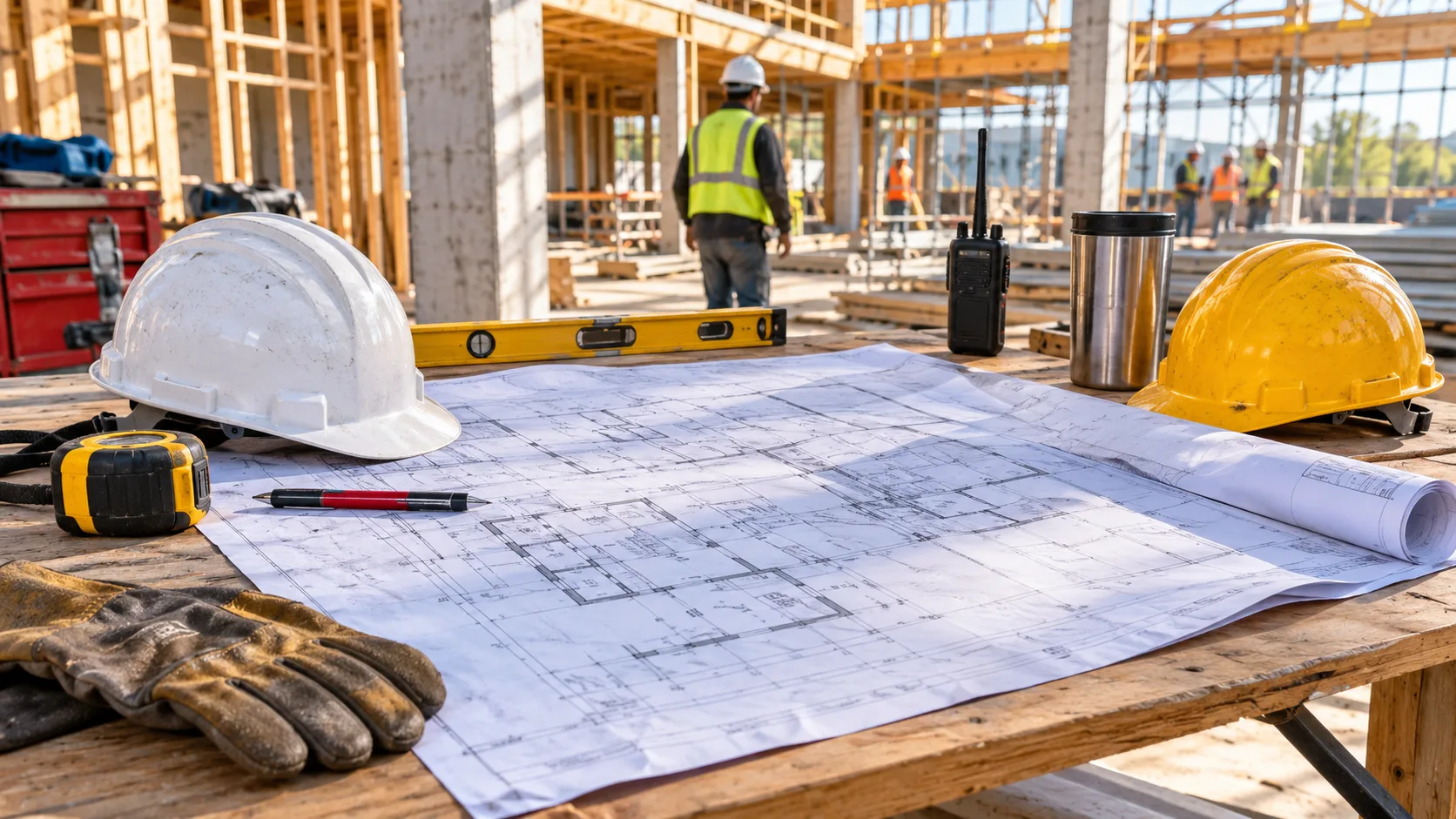
Construction sites expose printed drawings to dust, rain, moisture, heat, and frequent handling. A set of blueprints that looks clean and readable in the office can quickly become damaged once it reaches the job site. Torn edges, faded lines, water stains, and missing annotations can make important details difficult to read.
When you protect printed site plans, you help your project teams maintain clear communication and work with accurate information throughout a project. From choosing suitable printing materials to storing plans properly, a few practical measures can help keep drawings in good condition.
1. Understand What Puts Construction Drawings at Risk
Before choosing a protection method, consider the conditions your drawings will face. Different job sites present different challenges, and understanding these risks helps you decide how to protect printed site plans effectively.
Common causes of drawing damage include:
Moisture and rain: Water can cause paper to wrinkle, tear, or lose its shape. Depending on the paper and ink used, it may also cause printed details to bleed or become difficult to read.
Dust and dirt: Construction dust can settle on drawings, making fine lines, dimensions, and annotations harder to distinguish.
Frequent handling: Plans that workers regularly fold, unfold, and pass between team members can develop creases, tears, and worn edges.
Sunlight and heat: Prolonged exposure to direct sunlight can cause some paper and inks to fade or discolor.
Grease and chemicals: Oils, dirty hands, paint, and other construction materials can leave stains that obscure important information.
Pay attention to the areas where drawings are most likely to encounter these conditions. Plans used outdoors or handled throughout the day may need more protection than documents kept in a site office.
2. Choose the Right Paper and Printing Materials
The quality of your prints affects how well they hold up during everyday site activities. When printing blueprints, consider the environment where the drawings will be used and the level of handling they are likely to receive.
Standard bond paper works well for many office-based printing needs and general drawing reviews. However, frequently used site plans may benefit from heavier paper stocks or specialized materials designed to withstand moisture and repeated handling.
Here are a few things to consider:
Paper weight: Heavier paper can provide better resistance to everyday wear, creasing, and tearing.
Water resistance: Synthetic paper and other water-resistant materials can be useful for drawings that need to remain accessible in damp or outdoor environments.
Print clarity: Choose printing that produces sharp lines, readable dimensions, and clear annotations. Fine details should remain visible when workers refer to drawings on site.
Material suitability: Ask your printing provider about available paper options and which ones are suitable for your intended use.
Working with a professional printing service can make this process easier. A specialist can help you select appropriate materials and produce high-quality prints that meet your project's requirements. This is especially useful when ordering large drawing sets or printing plans that several team members will use.
3. Use Protective Covers and Storage Solutions
Even well-printed drawings can deteriorate when left exposed to harsh conditions. Protective covers and suitable storage spaces help reduce direct contact with moisture, dust, and other materials found on construction sites.
Consider these storage practices:
Use waterproof sleeves: Place frequently referenced drawings in waterproof or water-resistant document sleeves. This helps protect them from splashes, damp surfaces, and accidental spills.
Store plans in protective tubes: Plan tubes are useful for transporting rolled drawings between offices and job sites. Choose a tube with a secure lid to prevent dust and moisture from getting inside.
Keep drawings in designated folders: To better protect printed site plans, store related ones together in labeled folders or document cases. This makes them easier to retrieve and reduces unnecessary handling.
Avoid damp storage areas: Keep drawing sets away from wet floors, leaking roofs, and areas where construction materials are stored.
Store flat when possible: Large drawings that are frequently reviewed should be kept flat when practical to reduce repeated folding and creasing.
Make sure workers know where to return drawings after use. A designated storage location helps prevent plans from being misplaced or left exposed overnight.
Need clear, reliable prints for your next project?
Upload your drawings to PrintMyDrawings and order professional blueprint printing online.

4. Handle and Display Site Plans Properly
How workers handle drawings throughout the day can affect their condition. Simple habits can reduce unnecessary damage, especially when several people need to review the same plans.
Use drawing boards or clipboards when reviewing plans outdoors. These provide a stable surface and help prevent drawings from being folded, dragged across rough surfaces, or placed directly on the ground.
For larger sheets, secure the corners with suitable clips or weights when working in windy conditions. Avoid using sharp objects that could puncture or tear the paper.
Other useful practices include:
Clean your hands before handling drawings, especially after working with grease, paint, or other materials.
Avoid placing tools, equipment, food, or drinks on top of printed plans.
Fold drawings carefully along existing creases when folding is necessary.
Return plans to their protective sleeves or folders after use.
Keep working copies separate from documents that need to remain in good condition for future reference.
These habits are easy to introduce during routine site activities and can help extend the usable life of printed plans.
5. Keep Digital Copies and Backup Prints Available
Physical drawings can still get damaged despite careful handling and storage. Keeping digital copies gives project teams access to important information when printed versions become unavailable or difficult to read.
Save current drawing files in secure cloud storage or an approved project document management system. Give authorized team members access so they can retrieve the latest versions when needed.
It also helps to keep backup prints of drawings that workers reference frequently. If a working copy becomes torn, stained, or unreadable, a replacement can be issued without delaying access to the information.
Pay close attention to drawing revisions when preparing backup copies. Construction plans often change as projects progress, and distributing an outdated version can cause confusion on site. Check revision numbers, dates, and approval status before printing or sharing replacement sets.
6. Replace Damaged Drawings Before They Cause Problems
A damaged drawing can create problems when workers struggle to read measurements, identify reference points, or understand technical notes. If important information is obscured, replace the print before it affects site activities.
Look out for:
Faded lines or annotations that are difficult to distinguish.
Water stains covering dimensions or technical details.
Torn sections that remove important drawing information.
Heavy creases that make certain areas difficult to read.
Missing or damaged sections of a drawing set.
Avoid relying on handwritten corrections to compensate for missing or unreadable information. When a drawing needs replacement, print a fresh copy from the latest approved digital file.
A professional blueprint printing service can help you get clear replacement drawings without making repeated trips to a local print shop. With PrintMyDrawings, you can upload your files, select your printing specifications, receive an instant quote, and place your order online. This makes it easier to get replacement construction plans when your team needs them.
Conclusion: Protect Printed Site Plans with Your Daily Routine
Construction drawings are used throughout a project's lifecycle, from initial site preparation to the final stages of construction. Keeping them readable requires suitable printing materials, proper storage, careful handling, and access to updated digital copies.
Make drawing inspections part of your regular site routine. Replace damaged prints promptly and store frequently used plans in protective covers when they are not in use. Using a professional printing service like PrintMyDrawings helps you get clear, accurate blueprints printed on materials suited to your project needs.
With quality prints, proper storage, and careful handling, your team can keep construction drawings readable and usable despite the demands of harsh job site conditions.
Give Your Construction Drawings a Quality Start
Related Articles

Streamline Municipal Approvals with Better Construction Plan Printing
Discover how effective construction plan printing can streamline municipal approvals and enhance project workflows for AEC professionals.

Blueprint Printing: 7 Important Things to Check Before Sending Drawings to Site
Learn seven checks to make before sending construction drawings to site, from missing dimensions and outdated revisions to blueprint printing/scale accuracy.

Staples vs. FedEx For Professional Blueprint Printing
Need to print blueprints and construction drawings? Explore key differences in blueprint printing services between Staples, FedEx, and specialized providers..
How to Print Construction Blueprints Online
Learn how to print construction blueprints online efficiently. Discover the benefits and best practices for accurate blueprint printing.