AI in Construction Document Management
The integration of artificial intelligence (AI) into the construction industry has sparked considerable interest and debate.

AI can help reduce project delays by analyzing past data and current situations. This lets managers fix problems before they grow larger. From enhancing project management to optimizing design workflows, AI promises to transform how construction professionals operate. Understanding the implications of AI in construction can help architecture firms and construction companies leverage these technologies effectively while remaining aware of their limitations. For instance, a mid-sized construction firm implemented AI tools and reduced project completion times by 30%, showcasing the immense potential for efficiency gains.
Many Design and Construction experts ask, "How can we use AI in our current workflows?"
Although various companies have different processes, common grounds can be found in having the overall idea of how AI works. This post is set out to answer this particular question. Read on -
Enhancing Efficiency Through Automation
One of the most significant impacts of AI in the construction industry is its ability to automate repetitive tasks. Construction management often involves time-consuming processes such as scheduling, resource allocation, and budget tracking. AI algorithms can analyze vast amounts of data to generate optimized schedules and resource plans, reducing the time spent on these tasks. Think about feeding a project schedule spreadsheet data into your favorite tool and prompting it for suggestions on possible activities to overlap in order to save time.
Another use case is that AI can predict project delays by analyzing historical data and current project conditions. This predictive capability allows project managers to proactively address potential issues before they escalate, ultimately leading to enhanced productivity and reduced costs. In practical terms, this means fewer man-hours lost to miscommunication and more effective use of resources. Start by deciding which of your processes can be automated today.
Improving Design Workflows with AI Tools
AI technologies are also revolutionizing design workflows within architecture firms. Tools powered by AI can assist in generating design options based on specified criteria, such as site conditions, regulatory constraints, and client preferences. Architects can explore a wider range of design possibilities in a fraction of the time it would traditionally take.
Furthermore, AI-enabled software can analyze the performance of different design options, predicting factors like energy efficiency and structural integrity. This means architects can make more informed decisions, leading to sustainable and cost-effective designs. For instance, incorporating AI in floor plan printing allows for quick iterations and modifications, ensuring that final plans meet client expectations and regulatory requirements. Our practical guide on printing without costly mistakes in BIM Revit Drawings covers this in detail.
Challenges and Limitations of AI in Construction
Despite its promise, the implementation of AI in construction has its challenges. One of the primary concerns is the data quality and availability. AI systems rely heavily on accurate, comprehensive datasets to function effectively. In many cases, construction companies may not have the necessary data infrastructure in place to support AI initiatives. Any company can ease the transition into this space by focusing on cleaning up its current data and structuring it. This reduces the learning curve associated with adopting AI Technologies. With better data and staff training initiatives, the time and investment barrier becomes lower. It must be noted that AI does not stand to replace humans since critical decisions still require the expertise of experienced professionals.
Key Benefits of AI in Construction Document Management
AI Applications in Construction Document Management
AI is also making strides in the management of construction documents, which is vital for maintaining project organization and compliance. AI tools can automate the sorting and categorization of construction drawing printing, ensuring that the right documents are always accessible. This is particularly beneficial for large-scale projects that involve numerous stakeholders and complex documentation.
Key applications of AI in construction document management include:
Document Recognition: AI can identify and categorize documents based on content, making it easier to find specific files.
Version Control: AI systems can track document revisions, ensuring that all team members are working with the most current information.
Compliance Monitoring: AI can flag documents that do not meet regulatory standards or project requirements, reducing the risk of compliance issues.
Automated Reporting: AI can generate reports based on project data, streamlining the communication of progress and issues to stakeholders.
Integration with Other Tools: AI can enhance workflows by integrating with construction management software, enabling seamless information sharing.
These capabilities not only improve efficiency but also enhance collaboration among project teams, ensuring that everyone is on the same page throughout the project lifecycle.
Final Thoughts: The Future of AI in Construction
The future of AI in the construction industry is promising, with ongoing advancements expected to further shape how projects are executed. Emerging technologies such as robotics and drone technology are likely to integrate with AI systems, enhancing capabilities in areas like site inspection and material handling. For instance, drones equipped with AI can conduct site surveys, providing real-time data that informs project adjustments, site laydown areas etc. A process that would ordinarily take a long time with the traditional ground survey equipment.
Moreover, as AI technologies become more sophisticated, they will likely enhance predictive analytics, allowing for even more accurate forecasting of project outcomes. This could lead to better risk management practices and more reliable project timelines.
However, as the industry embraces these innovations, it must also remain vigilant about the potential ethical implications of AI use. Ensuring transparency, accountability, and data security will be critical as AI becomes more embedded in construction processes.
In conclusion, while AI is set to change many aspects of the construction industry, it is essential to recognize both its capabilities and limitations. By understanding how to effectively integrate AI into workflows, architecture firms and construction companies can improve efficiency and project outcomes. As the industry evolves, staying informed about the latest AI advancements will be crucial for maintaining a competitive edge. For more insights on optimizing your construction management processes, consider exploring our resources on construction drawing printing and project documentation.
Related Articles
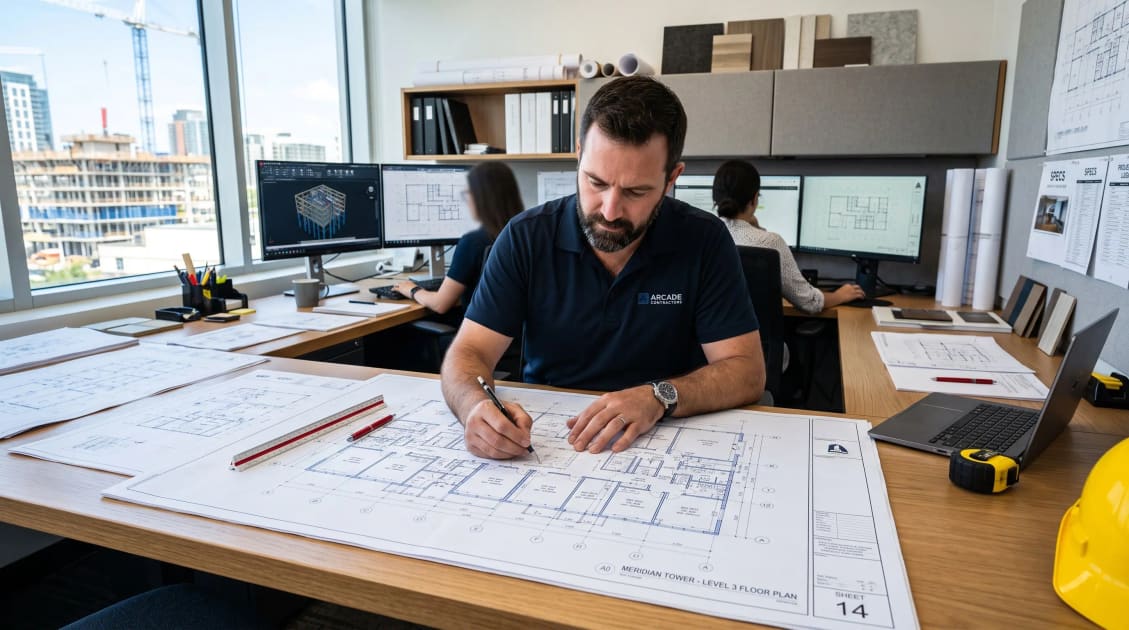
How to Choose the Right Blueprint Printing Service for Contractors
Discover top blueprint printing services for contractors to ensure accurate construction plans and efficient workflows.

In-House Plotting vs. Outsourcing Large Format Printing
Explore the benefits of large format printing versus in-house plotters for AEC professionals, ensuring accurate documentation and reliable workflows.
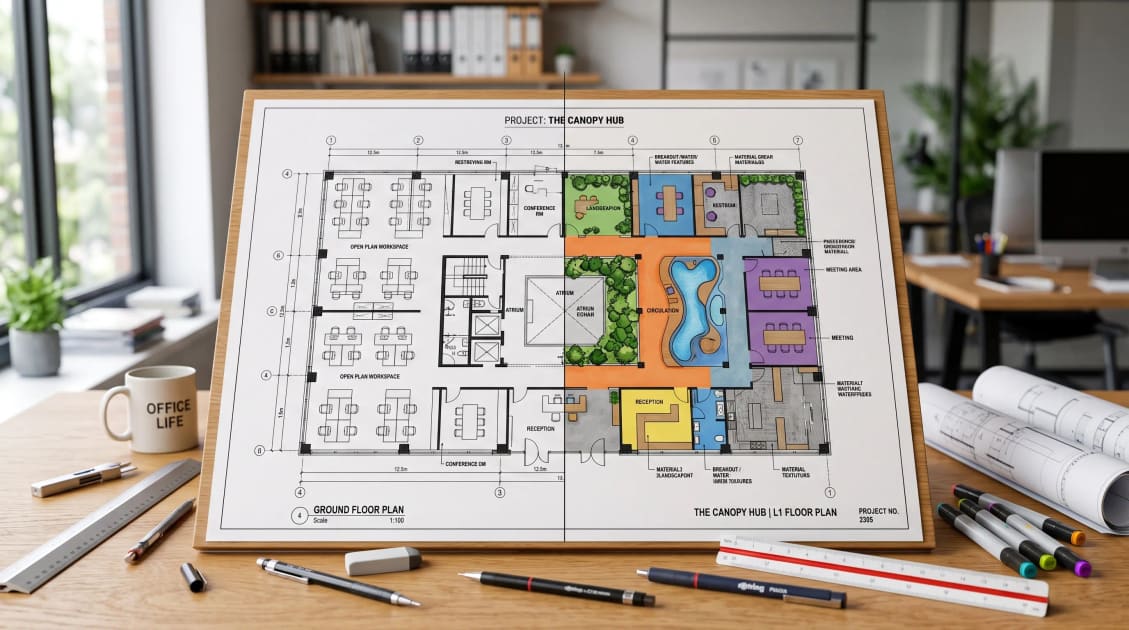
Black Line Printing vs Color Plan Printing: Which is the Best for Construction Projects?
Explore the differences between black line printing vs color plan printing. See how each one impacts construction plans and decision-making.

Preflighting PDFs for Large-Format Printing
Learn how to preflight PDFs for large-format printing to ensure accurate construction documents. Tips for fixing scale issues and common export traps.